

Browns’ biggest problem to fix during 2026 bye week appeared first on ClutchPoints. Add ClutchPoints as a Preferred Source by clicking here.
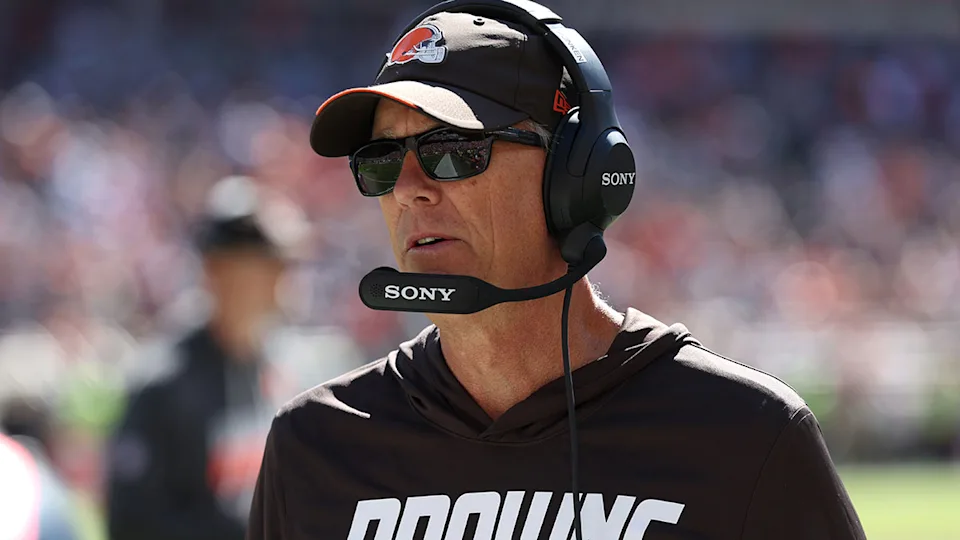
The Cleveland Browns have mastered the art of making life difficult for themselves. They keep falling behind, keep inviting trouble, and yet somehow, keep finding ways to win. That resilience deserves credit, but it is also masking a dangerous flaw. As Cleveland enters its Week 11 bye, head coach Todd Monken must address his team’s inability to start games with any urgency. The Browns have become far too comfortable digging themselves into early holes. That habit looks good on video highlights. However, it could eventually catch up with them against the AFC’s best teams. It is just an unsustainable way to build a playoff contender.
Advertisement
Turbulence
Scott Galvin-Imagn Images
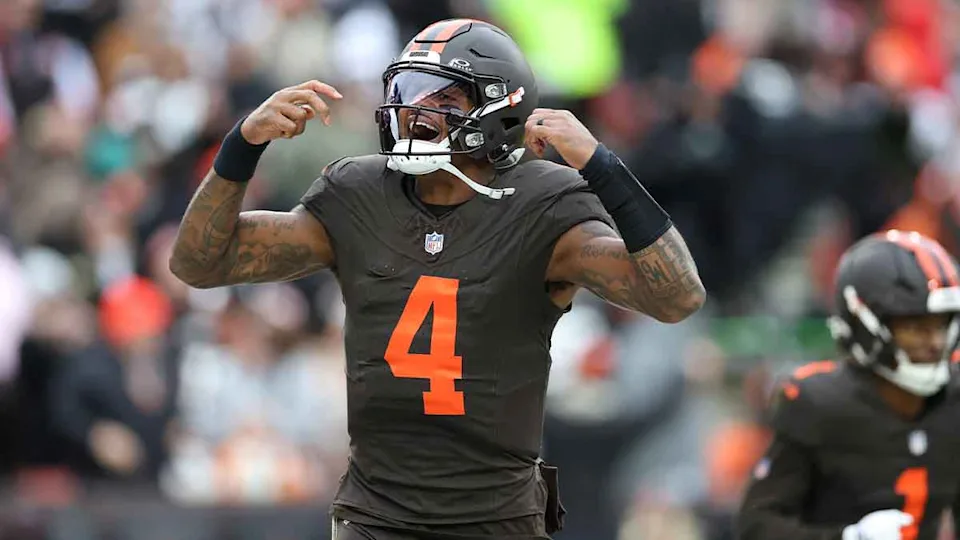
Through ten turbulent weeks, Cleveland has authored one of the wildest stories in the NFL. Following a disheartening opening loss in Jacksonville, Monken rallied his team through a series of tight victories and dramatic finishes. The Browns have recorded four double-digit comeback wins, the most in franchise history. Those include Sunday’s remarkable escape against Houston after falling behind 17-0. Deshaun Watson threw for 312 yards in that victory. Harold Fannin Jr. delivered another impactful performance. Meanwhile, Mike Rutenberg’s defense has extended its remarkable streak to 55 consecutive games without allowing a 300-yard passer. Right now, the Browns have plenty to celebrate, but their repeated slow starts remain a serious concern.
Digging an unsustainable hole
Cleveland’s biggest problem is not a lack of resilience. It is the need to demonstrate that resilience so frequently in the first place. The Browns have been dreadful in the opening quarter. They have produced just 13 points while allowing opponents to establish control far too easily. Their first-quarter point differential has reached minus-72. That makes them the NFL’s worst team in that period by a considerable margin.
Advertisement
Watch sports LIVE with fuboTV (free trial)
The Houston game provided another uncomfortable illustration. Cleveland quickly found itself trailing 17-0 early in the second quarter. The Browns eventually rallied, but the opening stretch was hardly an isolated incident. Their early struggles against Baltimore, Tennessee, and Pittsburgh have repeatedly forced the offense to chase games rather than dictate them.
That approach is dangerous, even when it produces entertaining finishes. Cleveland’s defense has been excellent at limiting opposing passing production. However, it cannot be expected to erase every early deficit. Eventually, the Browns will face a quarterback and offense capable of turning a two-score advantage into an insurmountable lead. The postseason offers very little room for repeated mistakes. Relying on fourth-quarter heroics against elite competition is a gamble Monken should not want to take.
The problem also affects the offense’s overall rhythm. Cleveland has struggled to establish a consistent identity early in games. They often waste possessions through negative plays, stalled drives, and unfavorable down-and-distance situations. A team that repeatedly starts behind the chains cannot fully control the tempo. The Browns are winning despite those issues, not because their current approach is working.
Advertisement
Unlocking early rhythm
Monken must use the bye week to rethink how Cleveland approaches its opening possessions. The first 15 scripted plays should be designed to create confidence and get the ball into the hands of the team’s most reliable playmakers. Instead of forcing difficult downfield throws immediately, the Browns should lean on quick-game concepts, play-action, screens, and manageable completions.
Fannin and KC Concepcion deserve prominent roles in that opening sequence. Both can create opportunities after the catch. They give Watson easier reads while forcing defenders to cover the entire width of the field. Moving the pocket and incorporating designed quarterback movement could also help disrupt opposing pass rushes. Cleveland needs to make the first quarter feel less like an opportunity to impose its identity.
Of course, better play-calling alone will not solve everything. The offensive line must also improve. Cleveland has surrendered 42 sacks through ten games. That’s the most in the league. Meanwhile, its rushing attack is averaging just 3.8 yards per carry. Those numbers make it difficult to sustain drives, protect Watson, and keep defenses from attacking aggressively.
Advertisement
The Browns need cleaner protection and more consistent movement at the point of attack. Establishing Quinshon Judkins and Dylan Sampson early would help keep opposing defenses honest. That would also give Watson more opportunities to operate from manageable situations. The line must also reduce the free rushers and immediate pressure that have repeatedly disrupted the passing game.

Click Above to Subscribe
Essential bye week
Mandatory Credit: Scott Galvin-Imagn Images
Cleveland has earned its 6-4 record through resilience, defensive discipline, and timely playmaking. Now, the next step is becoming a team that does not need a comeback every Sunday. The bye week gives Monken and his staff an opportunity to correct their preparation, play-calling, and protection issues.
Advertisement
The Browns must prove they can avoid creating adversity for themselves. If Cleveland wants its remarkable season to extend into January, the first quarter needs to become a strength rather than its most glaring weakness.