

An interview with the Pulitzer Prize winner, Lori Waxman on bringing sexy back in Chicago, stolen Picasso prints found, and the problem with clouds.
“I wrote this book because I was paid a shitload of money to write it,” Mona Chalabi says in her new book Ten Lives: How What We Have Shapes Who We Are — or tried to, anyway, before her editor stopped her. The Iraqi-British, Pulitzer-winning artist and illustrator has made a career saying what nobody else can, or will — calling out fellow journalists for their refusal to report on Palestine, for instance. Today, she talks to Associate Editor Laskhmi Rivera Amin about her data-driven, hand-drawn process, as well as how class and inequality shape journalism, art, and our lives.
Funny — as an editor, my favorite thing is not stopping my writers. That’s precisely how Lori Waxman’s piece on the return of sexy art in Chicago was born. No, this is not a personal essay about her or her acquaintances’ sexuality (“Maybe after everyone’s dead,” she says). It’s much better — loaded with art historical judgments (has anyone referred to Willem de Kooning’s drawings as “slasher sketches” before? We ought to); discussion of glory holes and sexy architecture; and gems about life (“female middle-age libido sets at either zero or 1,000, on a scale of one to 100”). God, I love my job.
—Lisa Yin Zhang, associate editor

Mona Chalabi Paints a Picture of Class Inequality
“As an adult and as a journalist, I have stared shamelessly.” That refusal to look away is precisely what data journalist, writer, and artist Mona Chalabi has built her deeply principled career on. Known best for her indelible data visualizations, from the obscenity of Jeff Bezos’s wealth to the Israeli government’s starvation of Palestinians in Gaza and the racial and gender biases in museum collections, the Pulitzer Prize-winning Iraqi-British journalist tackles the subject of wealth and economic inequality in America in her first book, Ten Lives: How What We Have Shapes Who We Are (2026). | Lakshmi Rivera Amin
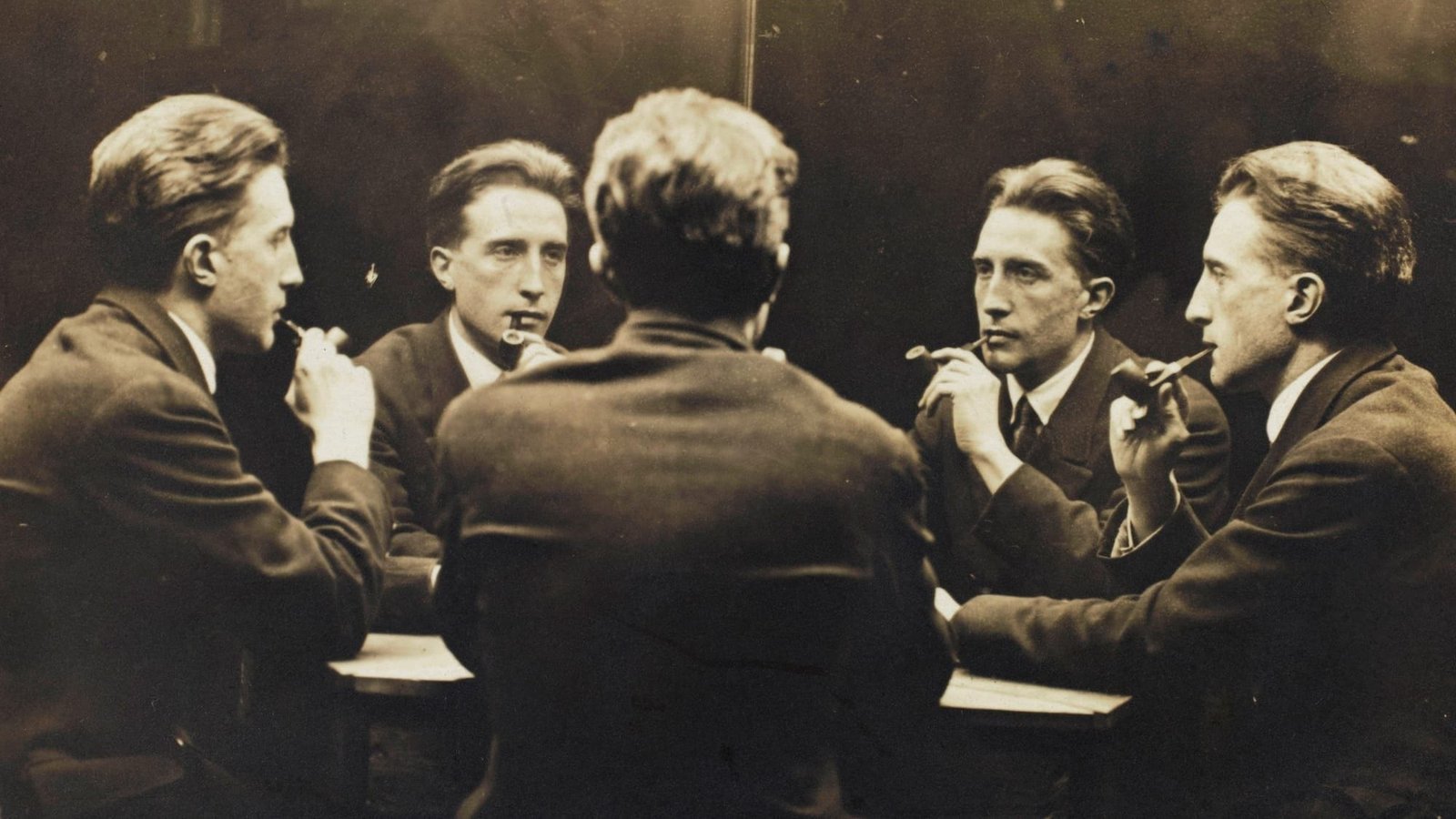
Discover Marcel Duchamp at the Philadelphia Museum of Art
See 300+ unique works by Marcel Duchamp, including the permanently installed masterpiece “Étant donnés”, exclusively at the Philadelphia Museum of Art.
News

Features
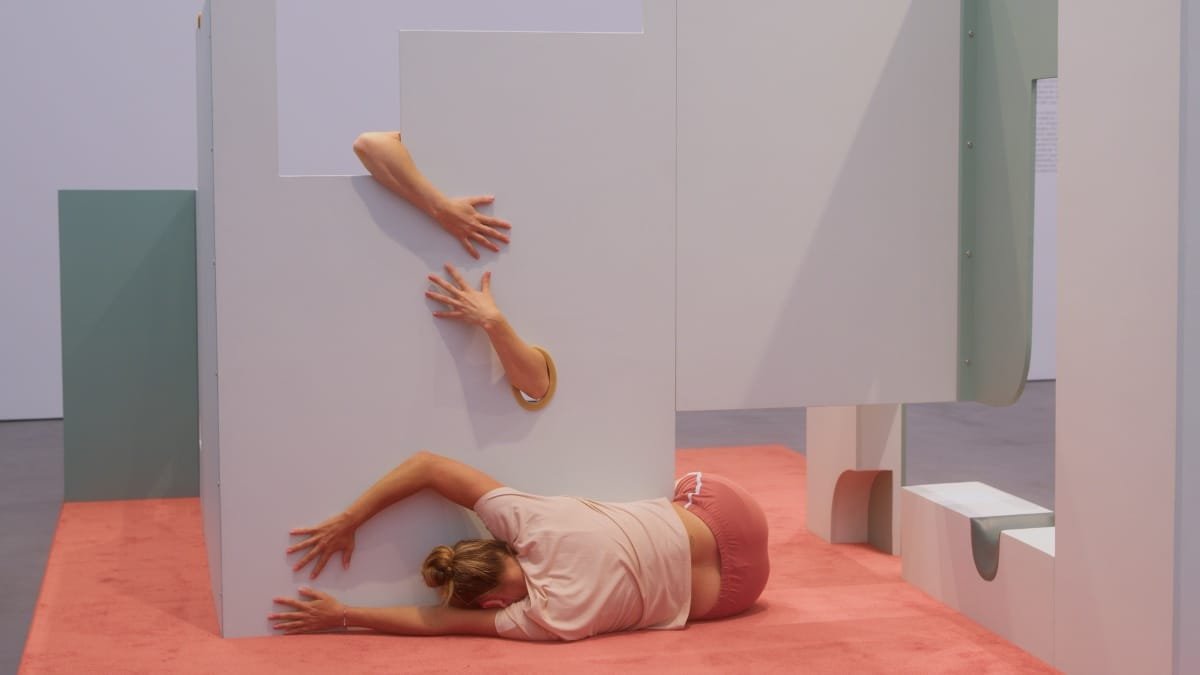
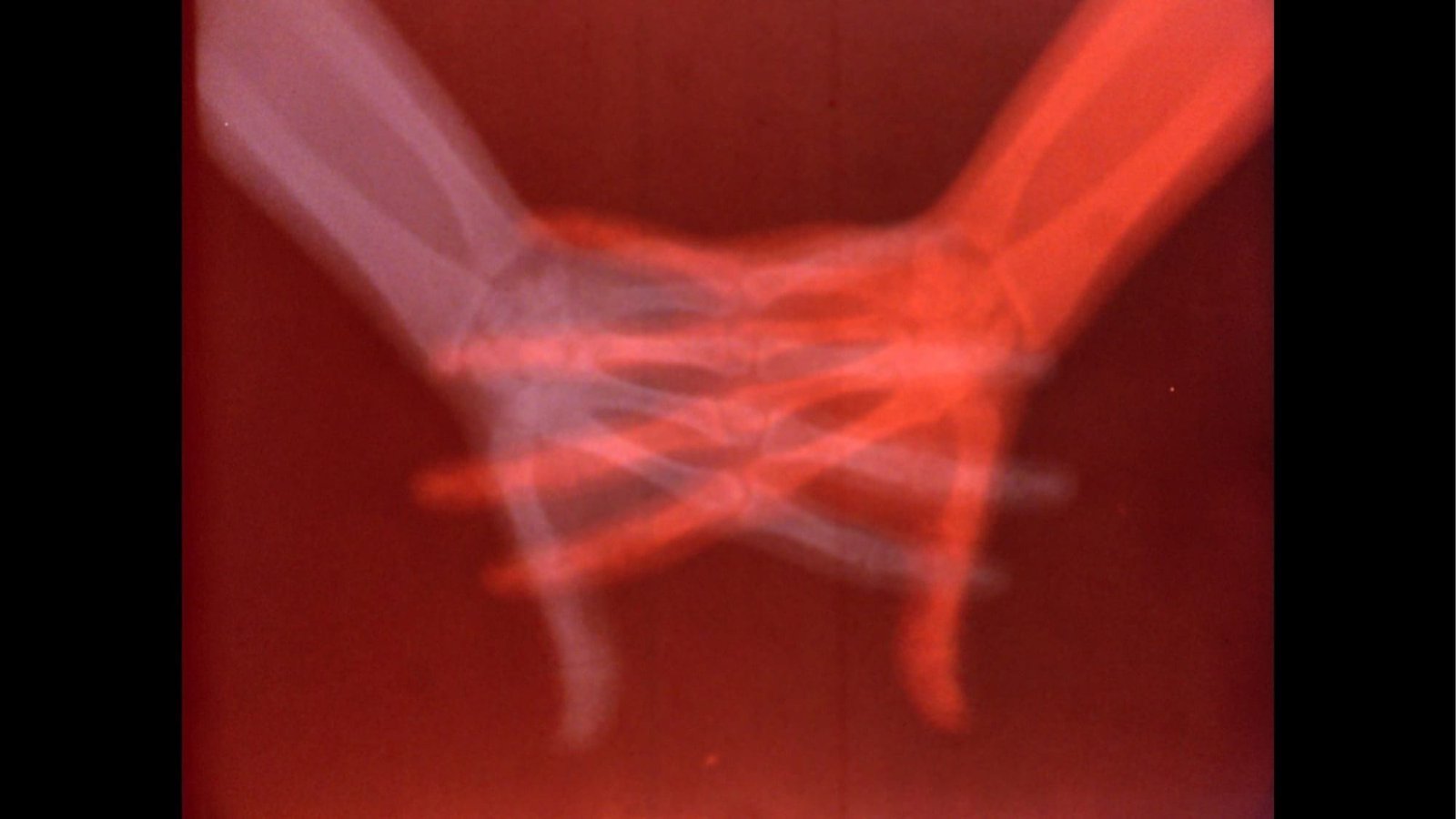
Medical Imaging and Art Meet in the Exhibition “Overexposed”
The concurrent emergence of cinema and X-ray technology radically transformed how we see and understand the human body.
From Our Critics
Books

The Zen Mona Lisa
A review of an ancient Chinese ink painting takes an art critic on a journey through his own past. | Will Heinrich
Hyper Links
From the Archive
