

Share this article
Join the conversation
Update for 3:40 p.m. ET on Nov. 14: SpaceX’s Kate Tice provided more information about the booster abort at about 3:30 p.m. EST (1830 GMT) on Nov. 14, during the company’s Flight 15 webcast. “Early indications are that the booster ended its boostback [burn] early due to a low fuel mass alarm,” she said. “The team is still investigating the root cause on that.”
SpaceX is looking into why its latest Starship megarocket test flight missed the first of two planned landings on Friday (Nov. 13), triggering an automatic abort that destroyed the booster.
The giant Starship rocket, a massive two-stage vehicle that’s the largest launcher on Earth, soared into orbit from SpaceX’s Starbase in South Texas on Friday on the company’s ambitious Flight 15 test flight. The goal: To land both the Super Heavy first stage and the Ship upper stage, for the first full Starship recovery — and the first complete recovery of an orbital launch system in history.
The Super Heavy stage, called Booster 22, came back to Earth mere minutes after liftoff as planned. Instead of returning to its launch tower to be caught mid-air by the tower’s metal “chopstick” arms, however, the rocket veered offshore and detonated its flight termination system. SpaceX spokesperson Dan Huot initially said that a guidance issue appeared to be the cause.
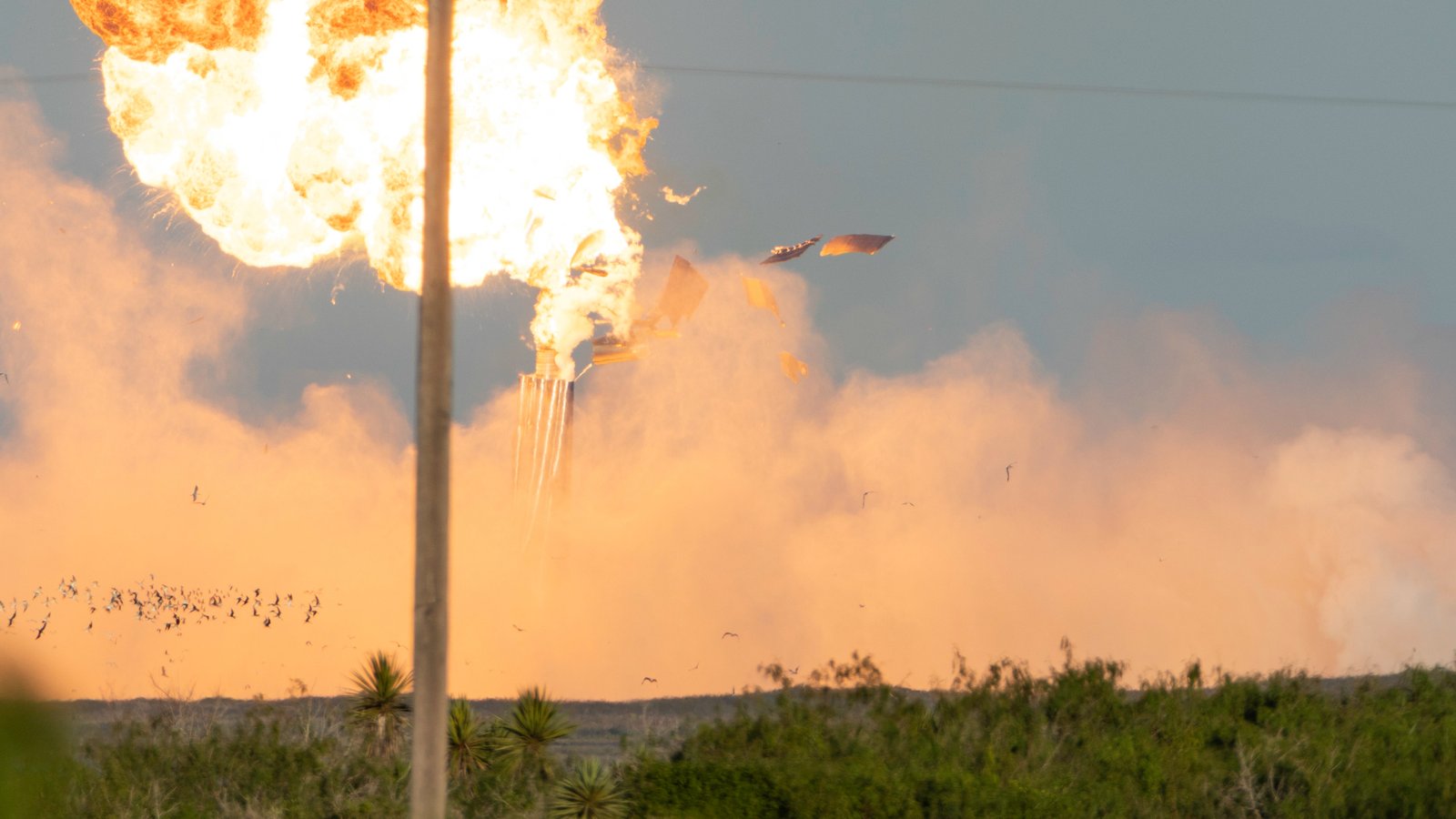
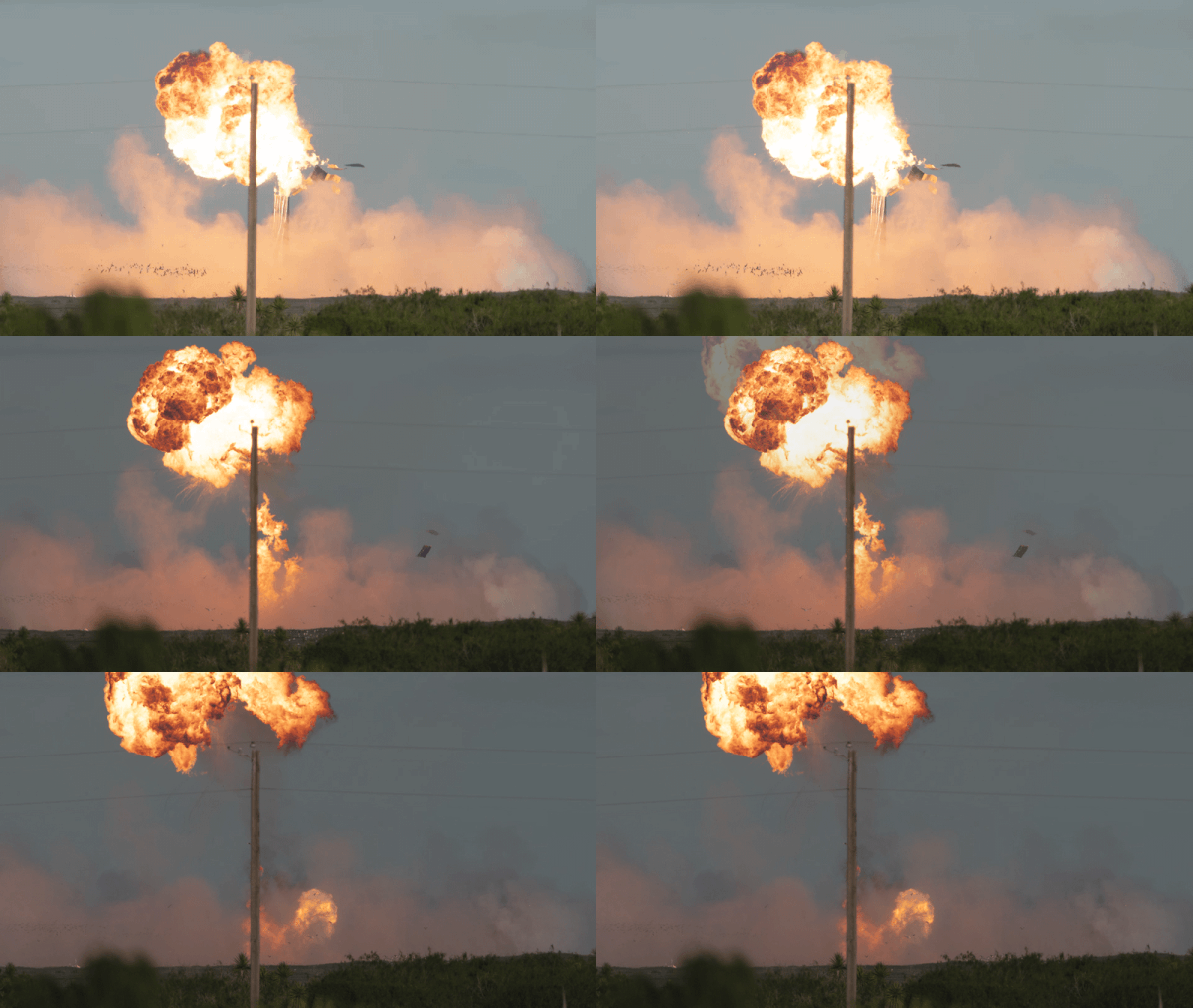
“We were initially ‘go’ for a catch,” Huot said during live commentary on Friday, about seven hours into the mission. “But in the later stages of the coast, the booster aborted itself for a GNC issue that it detected, and that put it into its contingency landing offshore.” Super Heavy exploded a few feet above the waves of the Gulf of Mexico about 6.5 minutes after liftoff.
GNC is short for Guidance and Navigation Control, a criticial system used by rockets to control their flight and ensure they remain on their planned course. Such a system is vital for any landing attempt by a Starship Super Heavy or Ship upper stage to ensure the vehicle returns to its landing site safely and doesn’t veer off course to damage SpaceX’s Starbase or surrounding populated areas.
In an update during SpaceX’s Flight 15 coverage on Saturday, however, Huot said that Super Heavy’s GNC system actually performed well.
“I did a disservice to our booster GNC guys last night,” Huot said. “It was not a GNC issue that caused us not to come back. GNC triggered that abort; it was doing what it was supposed to do. Basically, [it] detected that the booster was not in the place that it was supposed to be to proceed with a catch, did an automated abort and then headed out to that offshore splashdown location.”
SpaceX is “still digging into the root cause on how we got there, and so, more to come on that,” he added on Saturday.
You can follow our Starship Flight 15 live updates for the latest on the mission.
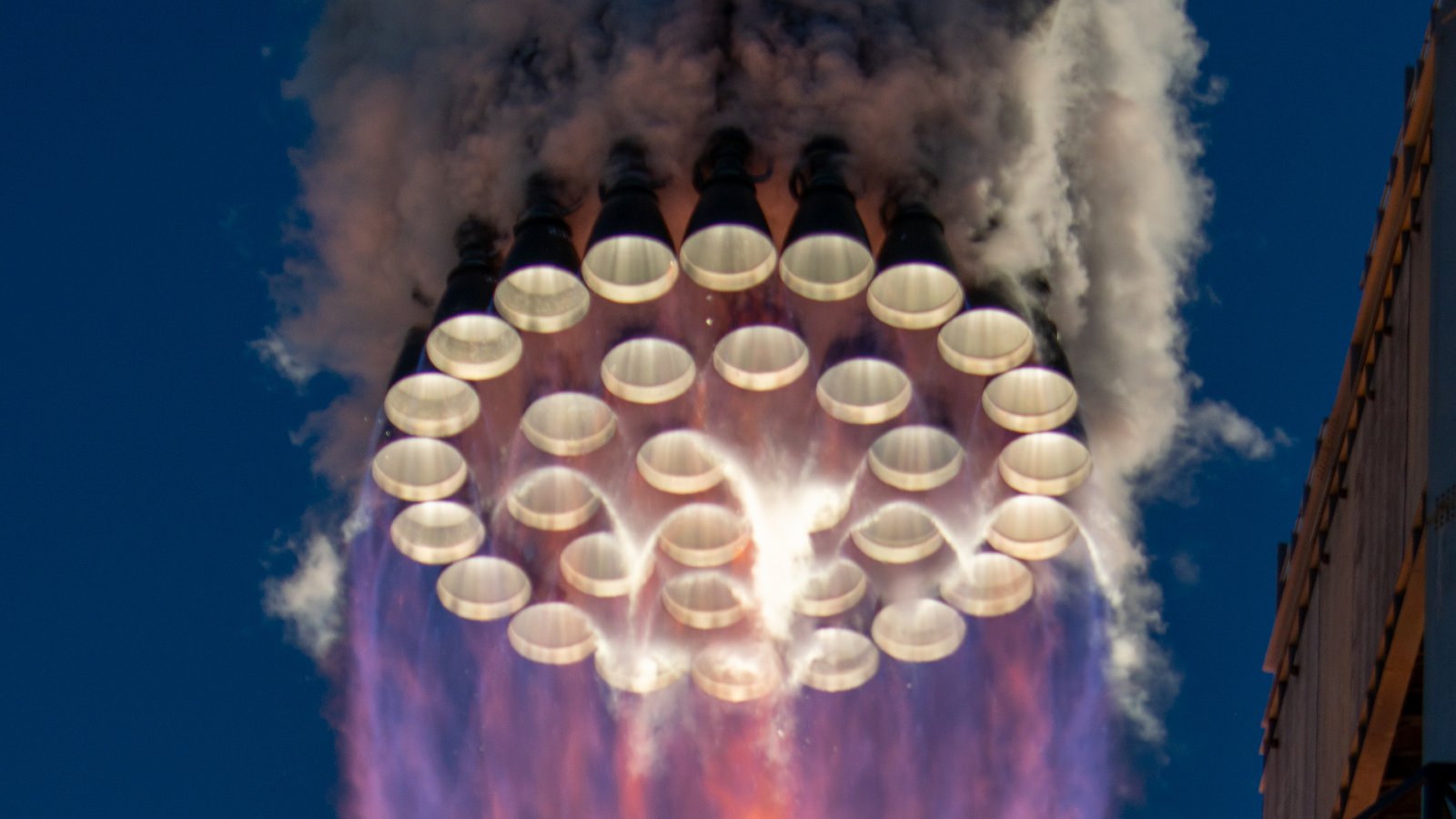
Super Heavy is powered by a cluster of 33 Raptor rocket engines that fire simultaneously during liftoff to send the 41-story Starship megarocket into orbit. During Friday’s launch, all 33 engines fired as planned for the ascent, Huot said.
One engine did drop out after stage separation, when Super Heavy dropped away from Ship and flipped over for a “boostback” burn to begin its trip back to Earth, Huot said on Friday.
“We had 32 out of the 33 booster engines lit for boostback, which started sending it back here to the launch site,” he added.
That firing was followed by the booster’s landing burn. In SpaceX’s launch video, Super Heavy can be seen activating 13 of its Raptor engines as planned, followed by the abort and the booster steering itself to a contingency landing zone in Gulf waters.
“It did that hover, cut the engines off, the FTS — the flight termination system — triggered, and it splashed down in the water,” Huot said on Friday. (The FTS is designed to destroy a booster in the event of an emergency.)
As its name suggests, Starship Flight 15 is SpaceX’s 15th test flight of the giant rocket, but it will be the first to attempt to catch a Ship upper stage with the chopsticks. SpaceX has successfully caught Super Heavy boosters on three test flights to date.
Flight 15’s Ship vehicle is in good health and will orbit Earth a total of 14 times before landing back at its launch pad in Starbase at around 4:20 p.m. EST (1920 GMT) today, if all goes well.
“Our heat shield team reviewed all the data we got from our ground-tracking cameras, and from those satellite cameras and confirmed the heat shield is in a good posture for a reentry and return to the launch site,” Huot said in Friday’s mission update. (Flight 15 hauled 26 of SpaceX’s next-gen Starlink V3 satellites to orbit, and a few of those spacecraft carried cameras for heat-shield inspection.)
SpaceX designed Starship to be fully reusable, with the company banking on that reusability to make it an affordable heavy-lift booster capable of a wide range of missions to low Earth orbit, the moon and eventually Mars.
NASA has picked Starship as one of two commercial landers to carry Artemis astronauts to the moon in 2028, and SpaceX sees the rocket as vital to building out a 100,000 constellation of Starlink V3 internet satellites, as well as a new AI data center network in orbit called Starmind.
But first, SpaceX has to successfully land a Starship upper stage from orbit. That’s the next step for Flight 15.
Huot said that flight controllers will make one last check at the 20-hour mark in the mission to decide whether to proceed with the landing at Starbase or make an “early return” splashdown off the coast of Hawaii.
That final check is expected by about 2 p.m. EST (1900 GMT). Space.com’s Starship Flight 15 landing livestream will begin at that time, and will be carried on our live updates page, Space.com homepage and our VideoFromSpace YouTube page.
Editor’s note: This story was updated at 11:50 a.m. ET on Nov. 14 with the latest information from SpaceX’s Dan Huot, who clarified that the booster tower-catch abort was not caused by a GNC issue.