

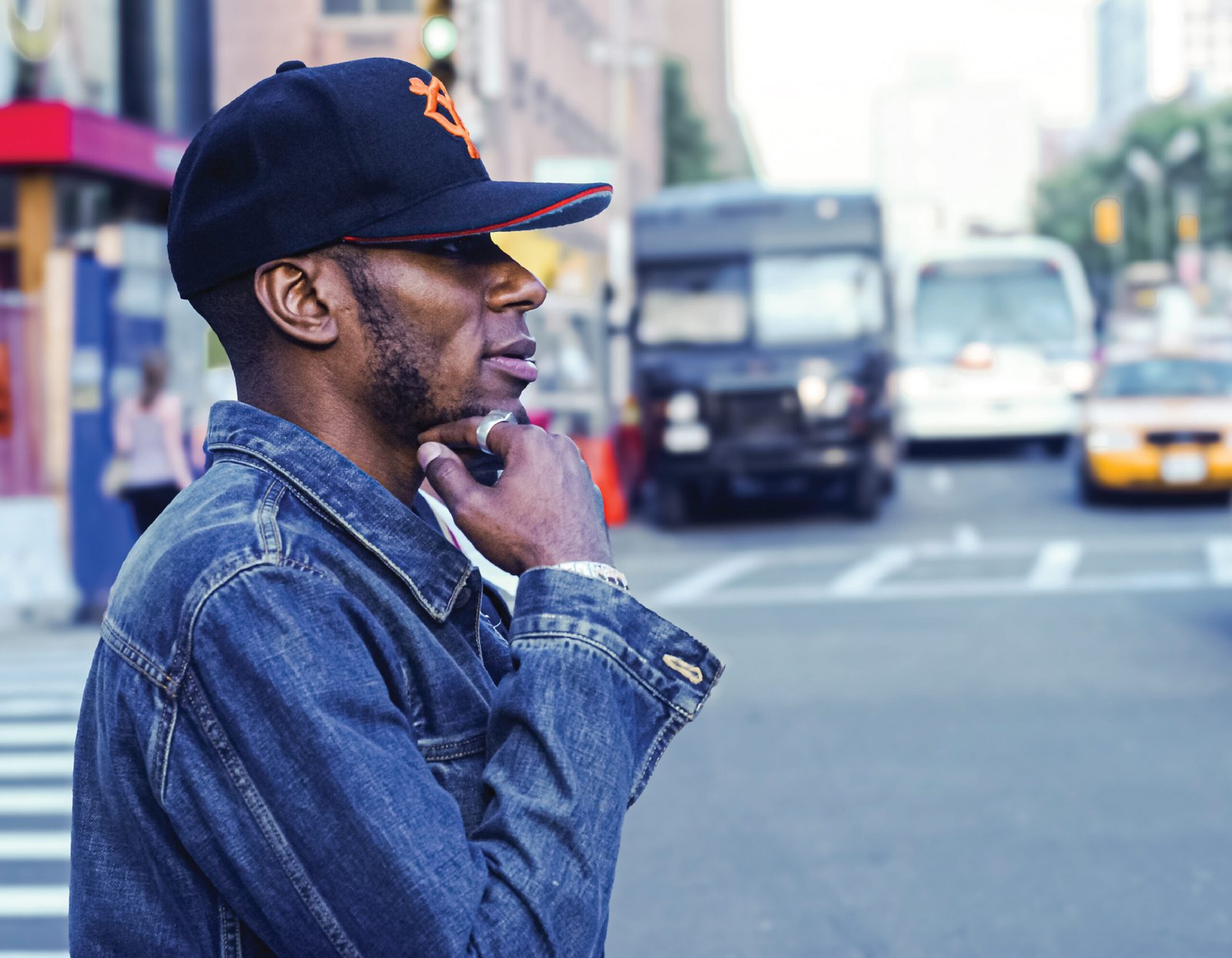
For an artist who rarely performs in the United States, let alone his native New York, a chance to see Yasiin Bey is an occasion. A chance to see the artist once known as Mos Def perform The Ecstatic in its entirety is something else altogether. Last night (Nov. 13), Bey turned Sony Hall into a late-night celebration of the 2009 album, taking the stage around 12:30 a.m. and keeping the room transfixed until well after 2.
Dressed head to toe in Rick Owens, Bey began by scattering rose petals across the stage. Accompanied only by his DJ and the album’s intricate, globe-spanning production, he worked through the record in sequence, with a few detours along the way. The performance was a vivid demonstration of how alive The Ecstatic remains: its collision of hip-hop, reggae, dub, soul and spiritual music providing a richly textured landscape for Bey’s elastic, sharply articulated delivery. At its best, the set evoked the searching, socially conscious spirit of Gil Scott-Heron, filtered through Bey’s own restless musical imagination.
The album arrived in 2009, at the beginning of Barack Obama’s first term, when a new sense of political optimism coexisted with the ongoing wars in Iraq and Afghanistan. Its opening invocation of Allah, followed by a Malcolm X excerpt about revolution and the need for change, established a record concerned with global politics, faith and the possibility of a better world. Working with producers including Madlib, Mr. Flash and Oh No, Bey built a sound that drew on Middle Eastern music and far-flung musical traditions without losing the urgency of his own rap voice. As SPIN noted in August, the album’s concerns have hardly faded with time; its recent Rhymesayers reissue under Bey’s own name, rather than the Mos Def moniker under which it was originally released, gave the record a fresh resonance.
Bey spoke during the show about The Ecstatic as a personal reset, describing how making it helped clear the fog created by fame and an industry that always seemed to want a piece of him. He also made room for a couple of excursions beyond the album. “Umi Says,” the beloved centerpiece from his 1999 solo debut Black on Both Sides, was a particularly welcome addition at the end of the set. He called the unreleased, Pete Rock-produced “Amethyst Rock Salt” “one of the most special rhymes ever written” before rattling off the song. The evening got an additional jolt when Busta Rhymes made a brief cameo, urging Bey to “run that bombaclaat chune back” in unmistakable patois before making his exit.
The show was a reminder of the particular power Bey brings to a stage: the technical command of a master MC, certainly, but also an openness and spiritual generosity that can make even a room full of strangers feel like participants in something communal. He was humble, grateful and fully engaged, treating the album not as a museum piece but as music still capable of opening doors.
Bey returns to the New York stage tonight at Blue Note Jazz Club, where he is scheduled to perform a set billed as unreleased and archival material. For anyone who caught the Sony Hall performance, it’s a chance to hear another side of an artist whose catalog still has plenty of unexplored territory.