

Darwin was fascinated by examples of mutual benefit between species. In his back garden he saw ants tending aphids and feeding from the aphid secretions.
He noted that orchids “absolutely require” moths in order to be pollinated but was mystified as to how they germinated. Both ants and orchids, we know now, rely on symbiosis: a partnership between two different species.
Such alliances are found throughout nature. In the case of the ants and aphids, ants protect aphids from predation, and in return they feed on the sugary secretions produced by the herbivorous aphids.
The seeds of orchids are minute, and contain almost no resource they can use to germinate. To do so they rely on nutrition from fungi in the soil, and when they later grow green leaves and make food via photosynthesis, the orchids send supplies down to the fungi that helped them.
Threads
There are many more examples. Legumes – beans, peas and pulses – are the third-largest family of flowering plants, numbering some 22,500 species.
They all grow by symbiosis. The plants provide a home for bacteria in nodules in their roots and these bacteria make fertiliser for the plant from nitrogen in the air. Nothing else but the bacteria can do this.
Another example: some 80 percent of plant species form symbiotic unions with fungi underground – this is what has become known as the wood wide web.
The fungi provide the plants with water and nutrients, and the plants give sugars to the fungi. In 2026 scientists estimated that if you could stretch out the threads of the fungal network into a single long line, it would run for about 11,000 light years.
Megadiverse
It’s a symbiosis that is humming under our feet to an extent that it’s almost impossible to grasp.
It stores a mass of carbon equivalent to about five times that of all living humans combined, and the fungal network sequesters 13 billion tonnes of carbon per year from the atmosphere – that’s over a third of the amount we emit each year through burning fossil fuels.
The symbiosis between plants and fungi was how plants colonised the land some 400 million years ago: the first land plants had no roots, and relied on fungi to provide for them.
And then there’s coral. Coral reefs are so rich in life they are termed “megadiverse”. They support 30 percent of marine species in less than 0.2 percent of ocean surface area.
Cooperative
They provide food for over half a billion people and financially, in terms of the coastal protection, food products and tourism they provide, they are worth trillions of dollars a year.
Corals are formed by an intimate symbiosis between an animal partner (that’s the one that grows the hard coral structure) and an algae partner that lives safely inside, making food from photosynthesis.
Symbiosis underpins all life and ecosystems on our planet. We need to counter the narrative that competition rules, and that Darwinism provides some sort of support for capitalism, because the unchecked exploitation of nature has brought our ecosystems to the brink of collapse.
Nature isn’t just competitive, it’s cooperative – it runs on symbiosis. If we don’t understand symbiosis and protect these relationships we can’t get to a sustainable way of life.
This Author
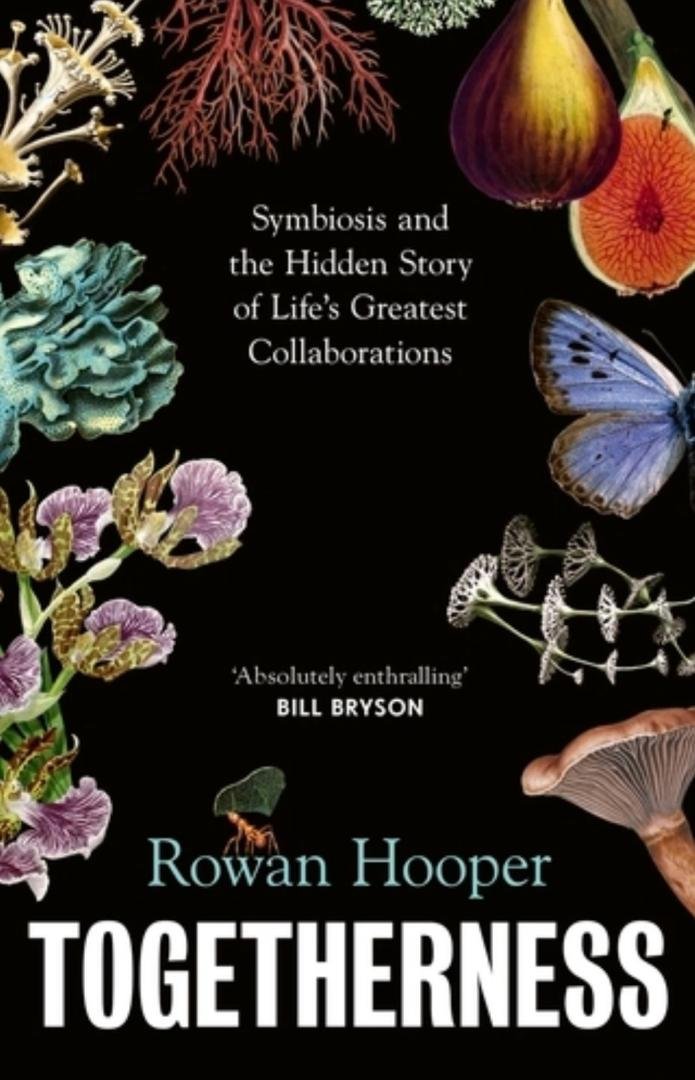
Rowan Hooper is an ecologist and writer, and host of New Scientist’s podcast The World, the Universe and Us. He is the author of Togetherness: Symbiosis and the Hidden Story of Life’s Greatest Collaborations. Bluesky: @ rowhoop.bsky.social Instagram: @rowhoop.